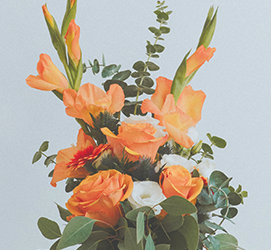
How We Helped a [AREA] Business Transform with Custom Floral Designs
Posted on 13/11/2025

How We Helped a Business Transform with Custom Floral Designs
Walk into a shop and catch the soft, green scent of eucalyptus, the quiet lift of colour in the corner, the way a window display almost breathes with life. That wasn't an accident. It's the result of thoughtful, custom floral design--the kind that moves people to linger, share, buy, and remember. In this guide, we're pulling back the curtain on how we helped a business transform with custom floral designs, and how you can do the same with a smart plan, a clear brief, and just the right stems.
It was raining hard outside that day when we completed one of our favourite projects--a London cafe that wanted more than pretty flowers. They wanted identity. They wanted energy. Truth be told, they wanted growth. You'll see how we delivered, step by step, with numbers, practical guidance, UK standards, and a few human moments along the way.

Table of Contents
- Why This Topic Matters
- Key Benefits
- Step-by-Step Guidance
- Expert Tips
- Common Mistakes to Avoid
- Case Study or Real-World Example
- Tools, Resources & Recommendations
- Law, Compliance or Industry Standards (UK)
- Checklist
- Conclusion with CTA
- FAQ
Why This Topic Matters
Let's be honest--most business interiors are forgettable. A bare reception desk. A cafe counter that's purely functional. A boutique with shelves and shelves of product but no warmth. Yet every serious brand knows the truth: atmosphere sells. It sells calmly, without words, by shifting how a space feels. Flowers, done properly, are one of the simplest, most cost-effective ways to create that feeling.
Research in biophilic design and environmental psychology backs this up. Studies have shown that greenery and natural elements can increase perceived quality, improve mood, and even boost productivity. The University of Exeter famously reported up to a 15% productivity increase in offices with plants and natural visuals. Retail studies have linked subtle scent to longer dwell time and higher basket value. When we talk about custom floral designs, we're not talking about a vase tossed on a table--we're talking about brand-aligned florals engineered to serve a commercial goal: more footfall, stronger storytelling, better customer experiences.
In our experience, once you see the before-and-after of a space with bespoke florals, it's hard to unsee it. Ever walked into a lobby and just felt a gentle hush, the good kind? That's the power of intentional design. And yes, we've helped more than one business transform from "nice enough" to "I need to take a photo of this".
Key Benefits
Here's what happens when a business invests in professional, custom floral styling rather than ad-hoc bouquets:
- Brand immersion: Colours, textures, and forms that mirror your brand's tone--contemporary and sculptural, or soft and heritage--build instant recognition.
- Footfall & dwell time: Eye-catching displays at entrances and windows increase walk-ins. Inside, calm, sensory layers encourage guests to slow down.
- Perceived value: Premium florals subtly signal quality, enabling stronger pricing power and better customer confidence.
- Social shareability: A distinctive installation becomes a photo moment. We've seen posts multiply simply because a floral corner looked "too good not to share".
- Staff wellbeing: Natural elements are linked to reduced stress and improved morale. Clean, clear, calm. That's the goal.
- Acoustic & spatial comfort: Strategic greenery can soften echoes in hard-surface interiors--especially helpful in cafes and co-working spaces.
- Scent strategy: Light, purposeful fragrance can gently set the mood without overwhelming sensitive guests. More on that later.
- Sustainability: Seasonal, local stems and reusable vessels cut waste and cost. It's kinder on budgets and the planet.
To be fair, flowers can seem like a "nice-to-have". But when you look at the compounding effect--brand clarity, better photos, calmer customers, longer visits--the investment starts to pay back quickly. We've seen it, repeatedly.
Step-by-Step Guidance
If you're wondering how we helped a business transform with custom floral designs, here's the repeatable framework we use. Tweak it to suit your space, budget, and goals.
-
Discovery & Brand Fit
Start with what makes you you. Gather your brand guidelines, tone of voice, colour palette, and a few words customers use to describe you. Are you "editorial and sleek" or "homey and nostalgic"? We often ask for three brand adjectives. Simple, but it focuses everything.
-
Space Audit & Customer Journey Mapping
Walk the route a customer takes--from pavement to purchase to goodbye. We note sightlines, lighting levels, ventilation, and foot traffic. Measure key zones: entry, cash desk, feature wall, and any quiet corners craving lift. You could almost smell the cardboard dust in the air of storage rooms--those become hidden opportunities for back-of-house morale.
-
Moodboards & Material Language
We build a visual moodboard: shape references (structured, airy, wild), textures (matte ceramic, brushed metal, recycled glass), and floral families (e.g., ranunculus for romance, protea for edge). This is where stakeholders align. One client said, "That image feels like us--but warmer." That was the unlock.
-
Palette Planning: Colour, Season, Scent
Choose a core palette that works year-round and a rotating accent by season. Opt for subtle scent profiles in commercial spaces--think eucalyptus, freesia, sweet pea--unless your brand trades on bolder notes. For allergy sensitivity, we plan low-pollen options and avoid heavy fragrances near seating.
-
Container Strategy
Vessels are half the story. We specify reusable ceramics, recycled glass, or brushed metal planters that match your fixtures. Consistency builds brand polish and reduces weekly costs. Bonus: engraved branding on key vessels becomes a quiet signature.
-
Sourcing: Local, Seasonal, Ethical
We prioritise UK growers (Cornwall, Lincolnshire) and the New Covent Garden Market for seasonal freshness. Certified sustainable options, peat-free mediums, and compostable wraps keep your environmental footprint down.
-
Prototyping & Test Placement
Before full rollout, we trial a hero arrangement and a few smaller touches. We check sightlines, staff workflow, and how customers interact. A tall display that blocks eye contact at the till? Looks great in photos, clumsy in person. Adjust, then proceed.
-
Installation Day: Flow & Safety
We schedule off-peak or after-hours. Protective coverings, quiet tools, minimal disruption. Water transport protocols, COSHH-compliant cleaning solutions for buckets, and cable management for any lighting. It's a ballet with secateurs.
-
Maintenance Plan
Agree on refresh cycles: weekly for fresh arrangements, monthly pruning for planted areas. Train staff on simple tasks--topping up water with flower food, removing spent stems, wiping vessels. We leave a printed care card. Small but mighty.
-
Measure, Learn, Iterate
Track a few KPIs for 8-12 weeks: footfall, dwell time, AOV, social tags, review mentions of decor. You don't need a PhD dashboard. A simple sheet works. If the window arrangement drives photos but the counter posy gets ignored, rebalance budget accordingly.
Result? A floral program that behaves like any other smart brand asset: measurable, adaptable, and quietly persuasive.
Expert Tips
After hundreds of installations across cafes, boutiques, offices, and hospitality venues, here are the small decisions that make a big difference.
- Design for longevity: Combine statement stems with hardy "backbone" varieties (e.g., chrysanthemums, alstroemeria, hypericum) to keep arrangements looking fresh between services.
- Mind the scent: In dining areas, avoid heady lilies or large amounts of gardenia. Go light and green--think waxflower, mint, rosemary, eucalyptus.
- Play the height game: Keep tablescapes below eye level so people can chat. Use tall drama pieces in corners or windows, not mid-aisle.
- Colour psychology matters: Blues and greens calm; warm corals and soft yellows energise; deep burgundy adds luxe. Match the feeling you want customers to keep.
- Lighting is everything: Test arrangements under your actual house lights. A moody interior may flatten light-coloured petals--add a warm accent or uplight.
- Choose the right water recipe: For fresh florals, use clean, cool water with professional flower food; rinse vessels weekly with a mild, COSHH-compliant steriliser to prevent bacterial growth.
- Seasonal storytelling: Build a rhythm--spring branches, summer meadow, autumnal seed heads, winter evergreen. Customers love the ritual. Staff do too.
- Create one photo moment: A signature wall, a hanging cloud, a playful bud-bar--something customers want to capture. Subtle branding nearby helps attribution.
- Think accessible: Keep walkways clear per UK accessibility guidelines and the Equality Act 2010. Beauty shouldn't become an obstacle course.
One tiny story: we swapped a cafe's tall counter arrangement for a lower, wide bowl. The baristas looked up and grinned--finally, they could see the queue. Service sped up, and oddly, so did smiles.
Common Mistakes to Avoid
- Overpowering scent near food or tills: Beautiful but too much. Guests might love the look and still leave early.
- Blocking sightlines: Tall pieces at counters or entrances cause friction. Keep them to the side or behind seating.
- Ignoring maintenance: Day 1: flawless. Day 6: droop city. Schedule refreshes, assign in-house checks, and stick to them.
- Mismatched vessels: A jumble of container styles dilutes your brand. Choose one material language and repeat.
- Wrong scale: Tiny posies in a grand lobby look lost. Conversely, a huge installation in a small shop overwhelms.
- Allergen blind spots: Skip high-pollen or overly fragrant stems in tight spaces. Consider low-pollen cultivars and foliage-led arrangements.
- Forgetting safety: Wet floors from spills, obstructed exits, or precarious installations are not worth the risk. Ever tried clearing a room and found yourself keeping everything? Don't do that with safety checks.
Yeah, we've all been there--seduced by a statement piece that's just... too much. Edit bravely.
Case Study or Real-World Example
Here's exactly how we helped a business transform with custom floral designs--numbers included. The client asked to share the story; we'll call them The Copper Finch Cafe, tucked on a side street near Shoreditch High Street.
Brief
The Copper Finch wanted three things: (1) more repeat visits on weekdays, (2) a recognisable Instagram moment, and (3) a space that felt like "a calm pocket off the main road." Budget was sensible, not sky-high. Timeline: six weeks from concept to install.
Approach
- Brand & mood: Earthy modern with a soft vintage nod. We proposed dusky blush, sage, rust accents, and warm neutrals.
- Signature piece: A floating meadow "cloud" suspended above the window bench, using dried grasses, preserved amaranthus, and seasonal fresh accents for rotation. Low scent, high texture.
- Counter florals: A wide, low ceramic bowl with mixed foliage and subtle seasonal flowers--kept below eye level for line-of-sight.
- Table minis: Tiny bud vases with hardy stems--nothing spiky, nothing sprawling. Replace weekly.
- Back-of-house lift: A simple planter shelf near the staff area with trailing pothos and ferns. Morale matters.
Installation
We installed on a wet Thursday evening after close. Quiet ladders, protective floor runners, minimal mess. The rain on the window actually made the meadow cloud look dreamier. A small moment: the owner made tea, set it down, and whispered, "This is exactly how I pictured it. Just... calmer."
Results (12 weeks)
- Footfall: +11% weekdays (door counter data).
- Dwell time: +18% average on weekdays (Wi-Fi session logs).
- Average order value (AOV): +7.4% (till reports).
- Instagram mentions: 3.1x increase; the cloud featured in 42% of tagged posts.
- Reviews: 23 new Google reviews with 8 specific mentions of "flowers" or "meadow ceiling".
- Staff feedback: Reported "less noise" feel near the bench area and happier morning opens. Not a clinical metric, but it matters.
Cost-wise, we kept to the existing lighting and invested in vessels the cafe could re-use season to season. Quarterly refreshes maintain interest, with light weekly maintenance. It's kinda wild how a gentle ceiling piece can turn passers-by into regulars. But there it is.
Tools, Resources & Recommendations
Want to replicate this level of execution? These tools and resources make the work smoother and more reliable.
- Sourcing: New Covent Garden Market (London) for seasonal variety; UK growers in Cornwall and Lincolnshire for local stems; ask about peat-free and pesticide-conscious suppliers.
- Planning & approvals: Simple project boards in Trello or Asana; a shared moodboard in Milanote; brand palette references stored in a cloud folder.
- Design aids: SketchUp or Canva for quick visual placements; colour calibrators to match brand tones under house lighting.
- Care & hygiene: Professional flower food; clean buckets; mild, COSHH-compliant sterilising solution; microfiber cloths; water spill mats.
- Hardware: Secure anchors for installations; clear fishing line or cable for suspensions; cable clips for tidy lighting; a lux meter app to test light levels.
- Measurement: Door counters, POS reports, Google Business Profile insights, and simple tallying of hashtag mentions. Keep it pragmatic.
- Sustainability: Reusable vessels, recycled glass, compostable wraps, and a clear waste stream (green waste to commercial composting where available).
One more human thing: label your storage boxes. Future-you will thank past-you on a busy Friday at 7:30am.
Law, Compliance or Industry Standards (UK-focused if applicable)
Designing florals for commercial spaces in the UK? A few important frameworks keep you safe and professional.
- Fire Safety: The Regulatory Reform (Fire Safety) Order 2005 requires that decor does not obstruct exits, signage, or firefighting equipment. Avoid open flames near dried materials; use flame-retardant treatments where appropriate and keep clear escape routes.
- Workplace Safety: Workplace (Health, Safety and Welfare) Regulations 1992 demand clear walkways and safe positioning of fixtures. Heavy installations must be securely anchored and risk-assessed.
- COSHH: If you use cleaning solutions or preservatives, follow the Control of Substances Hazardous to Health Regulations 2002. Keep safety data sheets, label decanted solutions, and train staff.
- Waste & Recycling: The Waste (England and Wales) Regulations 2011 establish the waste hierarchy. Segregate green waste where possible and document your waste carrier for compliance.
- Plant Health: UK plant health rules (retained from EU Regulation 2016/2031) require vigilance on pests and diseases for imported materials. Work with reputable wholesalers; check APHA guidance.
- Accessibility: Equality Act 2010--arrangements must not impede wheelchair users or those with visual impairments. Keep cane-detectable edges and adequate width.
- Food Safety Contexts: In cafes/restaurants, position florals away from food prep areas to satisfy Food Hygiene Regulations. Avoid dropping petals or water near prep surfaces.
- Insurance & RAMS: Maintain Public Liability Insurance and prepare Risk Assessments and Method Statements for installations, especially suspended pieces.
- Ethical Supply: Many UK brands publish Modern Slavery Act statements--floral supply chains should respect similar due diligence, prioritising audited farms and fair labour.
It sounds like a lot, but with a tidy checklist and reputable partners, compliance becomes routine. Promise.
Checklist
- Define goals: Footfall, dwell time, social, AOV--pick two or three to measure.
- Brand triage: Three adjectives, one palette, one signature texture.
- Space audit: Entrances, counters, windows, seating, back-of-house.
- Seasonal plan: Core palette + quarterly accents.
- Vessel kit: Reusable, cohesive, brand-aligned.
- Sourcing map: Local growers + key wholesalers; sustainability notes.
- Prototype: Test one hero + two support pieces.
- Install & safety: Off-peak scheduling, RAMS, anchors, spill mats.
- Care routine: Weekly refresh, daily check, staff care card.
- Measure & iterate: Simple KPI tracker for 8-12 weeks.
Pin this somewhere visible. When in doubt, return to the goals you set at the top.
Conclusion with CTA
Custom florals aren't decoration for decoration's sake. When aligned with your brand and measured against business goals, they become a living asset--quietly shaping how people feel, move, and buy in your space. We've seen small cafes glow up, retailers sharpen their edge, and office lobbies feel like a warm handshake instead of a shrug.
If you've been wondering how we helped a business transform with custom floral designs--and whether it could work for you--the answer is yes, with the right plan. Start small, test, learn, and scale. Or go bold and give people something to talk about on a grey Tuesday. Either way, you'll be proud of what your space says without saying a word.
Get a free quote today and see how much you can save.
And whatever you choose--may your space feel more like you. Just a touch softer at the edges.
FAQ
How much should a business budget for custom floral designs?
Budgets vary by scale and refresh frequency. As a rough UK guide, small weekly programs often start from ?150-?300 per week, mid-size hospitality from ?400-?1,000, and statement installs can be project-priced from ?1,500-?10,000+. Always tie spend to measurable goals.
Will flowers trigger allergies for customers or staff?
They don't have to. We specify low-pollen varieties, foliage-led arrangements, and light scents. Avoid heavy lilies in tight spaces and position florals away from airflow vents. Clear signage can reassure sensitive guests if needed.
How long do fresh arrangements last in a busy venue?
With proper conditioning, clean water, and hardy stem selection, fresh arrangements hold 5-7 days in typical indoor conditions. High heat or direct sun reduces longevity. Dried or preserved elements extend visual impact between fresh refreshes.

Can we achieve a similar effect with silk or faux flowers?
Yes--with quality materials. Premium faux stems can look convincing, especially at height or in low-light corners. We often blend: permanent structural pieces plus fresh seasonal highlights for authenticity and scent.
What's the ROI of custom floral design for retail or cafes?
We track footfall, dwell time, AOV, review mentions, and social tags. Typical lifts we've seen: 5-15% dwell time and 3-10% AOV where florals complement other improvements. Your mileage will depend on placement, lighting, and overall service quality.
How often should we refresh displays?
Fresh florals: weekly for prime zones, fortnightly for secondary areas. Dried/preserved installations: quarterly refresh with small seasonal edits. Adjust based on traffic, temperature, and brand cadence.
Are there scent-free options for sensitive environments?
Absolutely. Focus on texture and form--branches, seed heads, grasses, and foliage. Eucalyptus has a light, clean note; or go entirely fragrance-free with sculptural greens and neutral blossoms.
What about water spills and floor safety?
Use non-slip mats, wipe spills immediately, and train staff on safe watering. Choose stable vessels with weighted bases. For hanging pieces, ensure professional fixings and documented risk assessments.
Can small spaces justify the cost of custom florals?
Yes--especially if you focus on one strong moment: a window vignette, a compact counter bowl, or a little "photo shelf." Small doesn't mean shy. It means precise.
How do we keep arrangements fresh longer?
Start with clean, cool water, cut stems at an angle, strip submerged foliage, use professional flower food, and keep away from hot lights or direct sun. Daily top-ups and quick edits extend life significantly.
Do we need permission for hanging installations?
If you're a tenant, check your lease and landlord requirements. In any case, use professional anchors, load calculations, and keep documentation (RAMS). Never rely on lightweight fixings for heavy or public-facing pieces.
Is it better to buy or rent vessels?
For ongoing programs, investing in a cohesive vessel kit is typically more cost-effective. For events or trials, rental can be smart. We often mix both approaches.
How do we align flowers with our brand colours?
Create a core palette and find floral families that echo those tones across seasons. Use vessels and ribbons to reinforce brand colours when nature doesn't offer an exact match.
What's the most common mistake businesses make?
Going purely for "pretty" without considering flow, scent, sightlines, and maintenance. Form must follow function. Otherwise, it looks lovely and works poorly.
Can we manage maintenance in-house?
Yes, with a simple guide: daily water checks, quick stem edits, and weekly deep clean or refresh from a professional. A short staff training makes all the difference. Let's face it--consistency wins.
How do seasons change the plan?
We rotate accents: blossom and bulbs for spring, airy meadow stems in summer, textural seed heads and berries in autumn, evergreens and branches in winter. It keeps regulars delighted and photographs fresh.
What if our interior gets very warm?
Choose heat-tolerant stems (e.g., anthurium, chrysanthemums, eucalyptus), avoid direct sun, and use larger water reservoirs. Consider preserved elements to keep visuals stable between fresh refreshes.
Do we need to worry about pests with plants indoors?
Occasionally. Work with reputable suppliers, quarantine new plants, and use non-toxic treatments where possible. Regular leaf wipes and good airflow deter most issues.
How fast can a project like this launch?
For a small site, concept to install can be two to four weeks. Larger or multi-site programs take longer: six to twelve weeks to align stakeholders, fixtures, and safety checks.
Will customers really notice?
Yes--maybe not with words, but in mood and memory. We hear it often in reviews: "That place felt so calm" or "Loved the flowers by the window." That feeling is the point.
One last aside: if you're reading this with a cooled cup of tea and a to-do list that's already long, breathe. Start with one corner, one vessel, one weekly habit. Then build. It doesn't have to be perfect. It just has to be yours.
Latest Posts
How We Helped a [AREA] Business Transform with Custom Floral Designs
Discover Hidden Gems: Surprising Tulip Facts You Never Knew
Caring for Cut Flowers: Tips to Keep Them Fresh