Wedding flowers for Temple Church ceremonies and photos
Posted on 24/09/2026
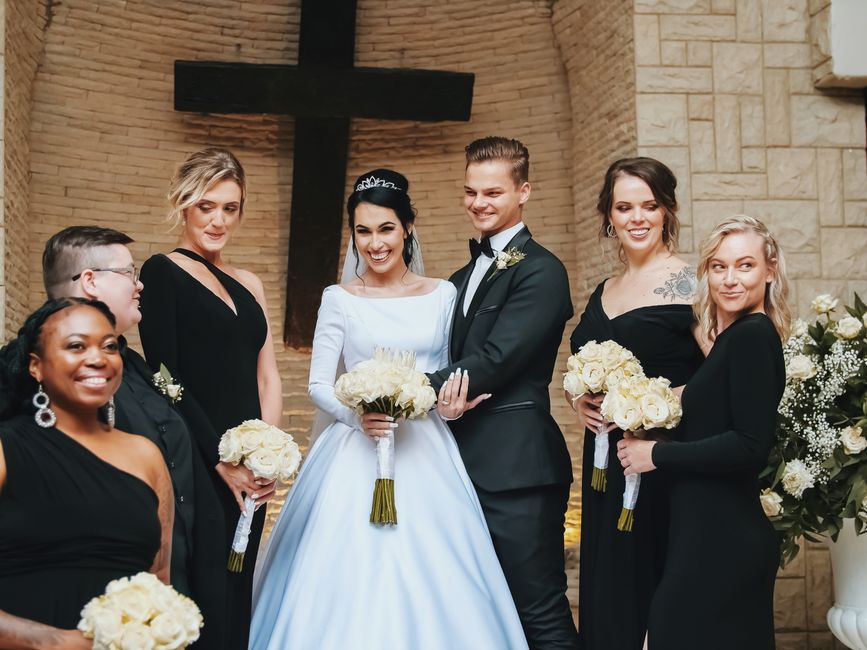
Planning Wedding flowers for Temple Church ceremonies and photos is a little more nuanced than choosing a pretty bouquet and hoping for the best. Temple Church has a calm, historic feel, and that changes how flowers read in person and on camera. The right wedding flowers should suit the architecture, respect the ceremony space, and still look beautiful when the photographer catches that quick side glance, the confetti moment, or the quiet pause just after the vows.
In practice, that means thinking about scale, colour, timing, delivery, and what will actually be seen in the photos rather than simply what looks lovely on a mood board. If you are marrying in or around Temple, EC4, this guide will walk you through what matters, how to plan it properly, and how to avoid the common mistakes that catch couples out. Truth be told, flowers can be the part that feels simple right up until the last minute. Then suddenly, they matter a lot.
The good news? Once you understand the layout, light, and flow of the day, choosing flowers gets much easier. You will know whether you need a compact bridal bouquet, a more architectural arrangement, buttonholes for the wedding party, or a restrained floral style that looks elegant in a stone setting.
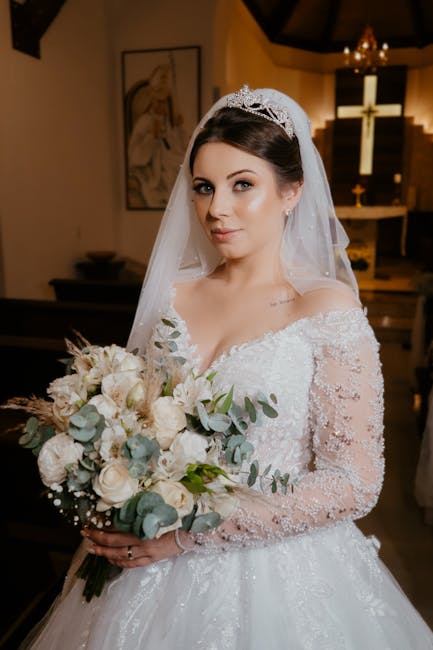
Table of Contents
- Why Wedding flowers for Temple Church ceremonies and photos Matters
- How Wedding flowers for Temple Church ceremonies and photos Works
- Key Benefits and Practical Advantages
- Who This Is For and When It Makes Sense
- Step-by-Step Guidance
- Expert Tips for Better Results
- Common Mistakes to Avoid
- Tools, Resources and Recommendations
- Law, Compliance, Standards, or Best Practice
- Options, Methods, or Comparison Table
- Case Study or Real-World Example
- Practical Checklist
- Conclusion
- Frequently Asked Questions
Why Wedding flowers for Temple Church ceremonies and photos Matters
Temple Church is not the sort of place where flowers should shout. It rewards careful choices. Stone, wood, glass, candlelight, and narrow sightlines all influence how arrangements look in the room and in photographs. A bouquet that feels soft and romantic in daylight may disappear against pale walls, while very bright colours can dominate the frame when the church already has strong visual character.
That is why wedding flowers here do more than decorate. They shape the mood. They create contrast for portraits. They frame the couple in ceremony shots. And they help make the photographs feel intentional rather than busy. A small arrangement placed well often works harder than a large one placed awkwardly. Sounds obvious, but it is easy to miss when you are browsing flowers online at 11pm with two tabs open and a cup of tea going cold.
Flowers also help tie the ceremony to the rest of the wedding day. If you are moving from Temple Church to a reception venue nearby, consistent floral styling gives the whole event a sense of flow. That is especially helpful for photos because it keeps the visual story joined up from the first arrival shot to the final toast.
For couples choosing between classic and modern styling, the venue itself gives a very useful clue. Temple Church tends to suit clean lines, elegant stems, and colour palettes that feel composed. That does not mean bland. It means deliberate.
How Wedding flowers for Temple Church ceremonies and photos Works
The planning process usually starts with the ceremony format and the photography plan. What is visible during the service? Where will the couple stand? Will the photographer work from the aisle, the side, or both? These questions matter because wedding flowers only need to do their job in the areas people will actually see.
A practical flower plan for Temple Church usually includes some or all of the following:
- a bridal bouquet designed to suit the dress and the photographer's framing
- buttonholes or boutonnieres for the groom and key guests
- bridesmaid bouquets that complement rather than copy the bride's flowers
- small ceremony flowers or arrangements where permitted
- optional table arrangements for any reception or drinks area afterwards
For photos, proportion is everything. A bouquet that is too small can vanish in wider shots. One that is too large can pull attention away from the face. The same applies to buttonholes and corsages. They should read clearly in close-ups without looking heavy or fussy.
Delivery timing is another real-world factor. In central London, traffic, loading access, and event schedules can all affect the smooth handover of flowers. A florist familiar with EC4 deliveries understands that a wedding morning does not need drama. It needs flowers to arrive fresh, upright, and ready to use. Preferably without anyone having to sprint down a side street.
Seasonality also changes what works. In some months, a florist can create a fuller look with locally available stems. In others, it is smarter to choose florals that travel well and hold their shape. A wedding bouquet for Temple Church should feel beautiful in the hand, but it also has to survive photos, hugs, and the walk from ceremony to reception without drooping like it has had a long week.
Key Benefits and Practical Advantages
Choosing flowers with Temple Church specifically in mind gives you several advantages. These are not just aesthetic perks; they make the day easier.
- Better photography: flowers chosen for scale, contrast, and placement look cleaner in images.
- More polished ceremony styling: the floral palette can support the architecture rather than compete with it.
- Less stress on the day: if delivery, set-up, and carryability are planned well, there is less last-minute scrabbling.
- Stronger overall theme: flowers help connect the church ceremony to the rest of the wedding.
- Better value for money: you spend on the parts that actually show up in the moments and photos that matter.
There is also a quieter benefit: confidence. When flowers are sorted properly, everything else feels a touch more settled. You walk in, take a breath, see the bouquet, and it just feels right. That matters more than people admit.
Expert summary: For Temple Church weddings, the best flower choices are usually the ones that support the venue rather than fight it. Keep the design elegant, visible in photos, and manageable on the day. If the bouquet looks beautiful in the hand and still reads clearly from across the aisle, you are on the right track.
Who This Is For and When It Makes Sense
This approach is ideal for couples who want wedding flowers that feel tailored to a church ceremony in central London rather than generic, off-the-shelf wedding styling. It makes particular sense if you care about photography, if your ceremony space is compact, or if you want a refined look that fits a historic setting.
You may also benefit if:
- you are planning a ceremony at Temple Church and want flowers that suit the building
- your photographer has a style that leans towards natural, editorial, or documentary images
- you want to keep the floral budget focused on visible impact rather than excess
- you need bouquets and buttonholes that are easy to carry and photograph well
- you want a classic London wedding look without it becoming stiff or overly formal
It is especially sensible for couples with a tight schedule on the day. Central London weddings often run to a proper timetable, and flowers should make that easier, not harder. If your ceremony, photos, and reception are all close together, you can be a bit more relaxed about flowers. If you are moving between locations, you need a plan. Simple as that.
Families often get involved too. One parent may care deeply about tradition, while the couple wants something more modern. Flowers can bridge that gap very nicely. White roses, soft pinks, muted lilacs, ivory lisianthus, and restrained greenery often keep everyone happy. Not always. But often enough.
Step-by-Step Guidance
1. Start with the venue and the photos
Begin by looking at the church space, the ceremony layout, and the types of photos you want. Do you want close, romantic portraits or wider images that show the full setting? The answer affects bouquet size, colour contrast, and how much floral decoration you actually need.
2. Choose a palette that works in stone and daylight
Temple Church interiors tend to suit elegant tones such as white, cream, blush, soft green, pale peach, and richer accent colours used sparingly. If you love bolder shades, you can still use them, but usually as highlights rather than the whole story.
3. Decide where flowers are most visible
Focus on the items that appear in key moments: bridal bouquet, groom's buttonhole, bridesmaid bouquets, and any arrangement near the signing table or ceremony focal point if permitted. There is no point overspending on flowers nobody will notice. Brutal but true.
4. Match the flowers to the dress and suit style
A highly structured dress often pairs well with a refined bouquet. Soft, flowing gowns can carry more natural, garden-style shapes. For suits, a neat buttonhole with one or two flowers and a small accent stem usually looks best. The floral look should feel like it belongs to the outfit, not attached to it by an enthusiastic cousin.
5. Plan delivery and storage carefully
Make sure there is a clear handover point. Ask how the flowers will be transported, what time they will arrive, and where they should be kept before the ceremony. In warm weather, and even on a bright spring morning, flowers should be kept cool and out of direct sun.
6. Confirm what is allowed inside the church
Every ceremony space has its own expectations. Some churches are happy with modest arrangements and handheld flowers only. Others have specific rules about what can be attached, placed, or moved. Confirm these details early, because flowers should fit the ceremony rather than create awkward conversations on the day.
7. Build in a photo-friendly moment
When possible, arrange a brief moment for bouquet shots, buttonhole photos, and a quiet portrait before the ceremony. A little time near a window or in a sheltered courtyard can make the flowers look their absolute best. You will notice the difference immediately in the finished gallery.
Expert Tips for Better Results
After many wedding orders, a few patterns become obvious. The following tips save time, reduce stress, and make the flowers look better in real life and in photographs.
- Choose one main floral story. If the bouquet is romantic and soft, let the rest of the flowers follow that lead. Too many competing ideas can look confused.
- Use contrast carefully. White flowers against pale stone can look exquisite, but they need shape and texture so they do not disappear in photos.
- Ask for bouquet handling comfort. If you will be holding the bouquet for a long service, make sure it sits comfortably in the hand.
- Think about the order of the day. Flowers that look perfect at 10am but fade by 4pm are not ideal if you want evening pictures too.
- Keep some practical backup. Extra pins, water for stems if needed, and a plan for transport can make a surprisingly big difference.
One small but useful point: if you are using scented flowers, consider the ceremony space and how close people will be standing. A lovely scent can be a lovely thing. Too much of it in a confined space, not so much. You know the feeling.
If your wedding dress has detail at the bodice or sleeves, avoid a bouquet that is so dense it hides everything. If the photographer can't see the line of the dress, you lose one of the nicest pictures. And honestly, that would be a shame.
For Temple Church specifically, softer silhouettes often work well because they mirror the calm pace of the setting. Think elegant rather than oversized. Consider balanced stems, visible texture, and a colour mix that reads clearly under indoor light.
Common Mistakes to Avoid
Most flower problems are avoidable if you spot them early enough. Here are the ones that come up most often.
- Choosing flowers only from inspiration images. Pretty pictures are helpful, but they do not always suit a church, a season, or a budget.
- Ignoring the venue scale. Huge flowers in a compact setting can overwhelm the ceremony space.
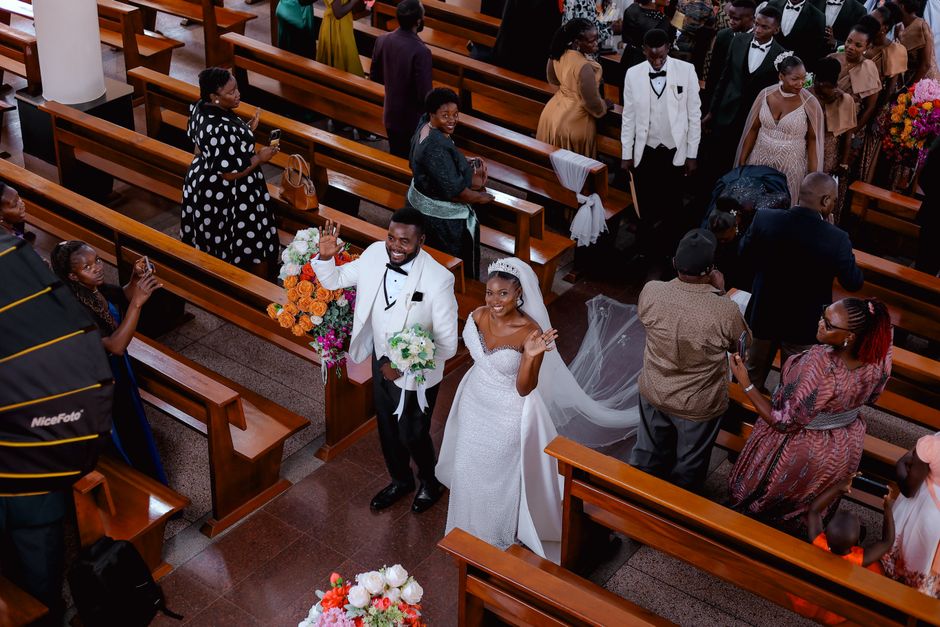
- Forgetting the photos. Some flowers look lovely from above but not from the aisle or in portraits.
- Leaving buttonholes too late. These small items are easy to overlook, and then everyone is rushing five minutes before the service.
- Not confirming delivery access. Central London logistics can be fiddly, and flowers need a clear plan.
- Mixing too many colours. Too many shades can muddy the look, especially in a historic interior.
Another common mistake is assuming everything must match exactly. It does not. In fact, a tiny variation in the bridesmaid bouquets, buttonholes, and ceremony flowers often looks more natural. Matching is fine. Over-matching is where things start to feel stiff.
And one more, because this one bites people: forgetting to ask how the flowers will be packaged for the journey. If you are travelling from home or a hotel to Temple, packaging matters. A lot. A bouquet squashed in the back seat is nobody's dream beginning.
Tools, Resources and Recommendations
You do not need a huge toolkit to plan wedding flowers well, but a few simple resources help enormously.
- A clear mood board: keep it focused on flowers, dress, and venue rather than every wedding image you have ever liked.
- A basic schedule: note the ceremony time, photo slots, and delivery window so the florist can plan properly.
- A colour reference: even a fabric swatch or phone photo can help align flowers with dresses and accessories.
- A budget split: decide what matters most, whether that is bouquet quality, ceremony impact, or multiple smaller arrangements.
- Flower care guidance: useful if the flowers are being picked up early or held briefly before the ceremony. The care instructions on flower care can help with that.
If you are browsing styles, the wedding range at wedding flowers in Temple EC4 is a sensible place to start because it keeps the focus on wedding-specific designs rather than general occasion flowers. For broader styles and matching pieces, the weddings collection also helps you compare bouquets, buttonholes, and larger arrangements in one place.
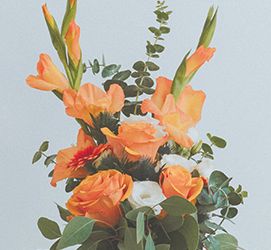
For couples who prefer a softer, lighter look, white or ivory-led designs can be especially effective in church settings. If you want to browse by tone, the white flowers selection gives a clean visual starting point. If you want something warmer and more romantic, a blush or mixed palette may suit the day better.
Law, Compliance, Standards, or Best Practice
For Temple Church weddings, the main compliance issue is usually not law in the strict sense but venue rules, access arrangements, and respectful use of the space. Churches often have their own practical expectations about decoration, timings, and what can be placed where. Those expectations should be checked with the venue or officiant well in advance. That is the safest and most professional approach.
If you are having flowers delivered in central London, also think about access and timing. Loading restrictions, building entrances, and event schedules can affect delivery even when the distance looks tiny on a map. A florist experienced with EC4 knows that a five-minute drive can become a twenty-minute delay if the route is awkward. London does London things.
Best practice is straightforward:
- confirm delivery times in writing where possible
- verify any church restrictions on petals, loose stems, or surface decoration
- ensure flowers are handled safely and kept fresh before the ceremony
- avoid blocking aisles, entrances, or fire exits with arrangements
- make sure buttonholes, bouquets, and corsages are comfortable and secure
If you are using seasonal stems or delicate blooms, ask how they will hold up during transport and ceremony time. That is not being fussy. It is sensible. Flowers are living things, after all, and they do not always behave like product photos.
Options, Methods, or Comparison Table
Most couples choosing flowers for Temple Church end up comparing a few common approaches. The best option depends on budget, style, and how much floral presence you want in the photographs.
| Option | Best for | Strengths | Watch-outs |
|---|---|---|---|
| Compact bouquet and buttonholes only | Minimalist couples and tighter budgets | Simple, elegant, easy to carry | May feel understated in wider ceremony photos |
| Bouquet, buttonholes, and bridesmaid flowers | Balanced wedding styling | Good visual consistency and strong photo coverage | Needs palette coordination so it does not feel busy |
| Full ceremony florals plus personal flowers | Couples wanting a more polished look | Strong visual impact, excellent for photography | Higher cost and more coordination required |
| White-led classic styling | Traditional church settings | Timeless, clean, versatile in photos | Can look flat if texture and shape are ignored |
| Soft mixed palette | Romantic, editorial, or garden-inspired weddings | Warm, expressive, and flattering on camera | Needs careful balancing to avoid clashing tones |
If you are unsure, a bouquet-led approach with matching buttonholes is often the safest middle ground. It gives you enough floral presence for photographs without turning the ceremony into a floral production. Which, to be fair, is not the point.
Case Study or Real-World Example
Imagine a couple getting married at Temple Church on a bright Friday afternoon. They want a classic look, but not a formal one that feels too stiff. The bride chooses a bouquet with white roses, soft lisianthus, and a little greenery. The groom wears a simple rose buttonhole. The bridesmaids carry smaller, lighter versions of the bridal bouquet so the family photos feel connected.
The florist delivers earlier in the day to avoid the post-lunch rush in central London. The flowers are kept cool and arranged in water until the final handover. During the ceremony, the bouquet reads clearly against the dress and does not disappear into the pale stone background. In the photos, the floral white is balanced by texture and shape, so the images feel calm rather than washed out.
Afterwards, the couple reuses the bouquet for portraits near the church entrance and then at the reception, so the flowers earn their keep across several parts of the day. Nothing extravagant. Just thoughtful. That is usually what works best.
One small detail made the difference: the bouquet was designed with the photographer's framing in mind. The florist kept the main blooms slightly offset so the bride's hands and dress detail stayed visible. Tiny thing, really. But the gallery looked better because of it.
Practical Checklist
Use this before you finalise your order. It keeps things calm, and calm is underrated on a wedding morning.
- Have I checked the ceremony time and delivery window?
- Do I know what floral items are needed for the ceremony and photos?
- Does the colour palette suit Temple Church's interior and natural light?
- Have I thought about bouquet size in relation to the dress and photography?
- Are the buttonholes and bridesmaid flowers coordinated without being identical?
- Have I confirmed any church restrictions on flowers, petals, or placement?
- Do I know where the flowers will be kept before the ceremony starts?
- Will the flowers still look good after the ceremony and during portraits?
- Do I have a plan for transport, handover, and any last-minute changes?
- Have I chosen flowers that feel comfortable and easy to hold?
Quick take: if a flower choice helps the ceremony feel graceful, suits the setting, and photographs well without demanding constant attention, it is probably a good choice. That is the sweet spot.
Conclusion
Getting Wedding flowers for Temple Church ceremonies and photos right is really about balance: beauty, proportion, timing, and a bit of practical thinking. The best results usually come from flowers that respect the venue, flatter the people in the room, and hold up well in photographs. You do not need the loudest arrangement or the largest bouquet. You need the one that feels right when you stand in the space and look at it in the moment.
If you are still deciding, start with the ceremony setting and work backwards from there. Keep the design elegant, make sure the flowers travel well, and prioritise the moments that matter most on the day. The rest tends to fall into place.
Get a free quote today and see how much you can save.
Frequently Asked Questions
What flowers work best for Temple Church weddings?
Soft, elegant flowers usually work best: roses, lisianthus, orchids, alstroemeria, and well-shaped greenery are all popular choices because they suit historic interiors and photograph clearly. White and blush palettes are especially reliable, though richer tones can work well as accents.
Should wedding flowers be big or small for Temple Church?
Usually medium to compact is the safest choice. Temple Church has a strong architectural presence, so flowers do not need to overpower the setting. A bouquet should be noticeable in photographs, but still comfortable to hold and elegant in the hand.
Can I use colourful flowers for a church ceremony?
Yes, absolutely. You just want to think about balance. Bright flowers can look wonderful if they are used with restraint or paired with softer tones. A full rainbow look can feel too busy in a historic church, but a carefully chosen accent colour can be brilliant.
How far in advance should I book wedding flowers?
As early as you can, especially for a London wedding with a fixed venue date. Earlier booking gives you more choice over style, seasonal stems, and delivery planning. If you are getting married in a busy period, leaving it late can narrow your options quickly.
Do Temple Church flowers need special approval?
In many church settings, yes, or at least a check with the venue team is wise. The exact expectations can vary, so it is best to confirm what is allowed before you commit to a design. That avoids awkward surprises on the day.
What flowers photograph best in a church setting?
Flowers with shape and contrast tend to photograph best. Roses, peonies when in season, orchids, lisianthus, and mixed bouquets with texture often work well. The key is not just the bloom itself but how it reads against the dress, suit, and background.
Should buttonholes match the bouquet exactly?
Not necessarily. A coordinated look is better than an exact copy. Buttonholes should echo the bouquet's style and colours without becoming overly matchy. A smaller, simplified version usually looks more refined.
What is the best bouquet shape for Temple Church photos?
Rounded, loose, or softly structured bouquets are often the easiest to photograph in a church setting. They look natural, hold their shape well, and suit most dresses. Very oversized cascading designs can work too, but they need careful handling and a confident styling plan.
How can I keep flowers fresh on the wedding day?
Keep them cool, shaded, and in water or suitable packaging until needed. Avoid placing them near heat or direct sunlight. If you are picking them up yourself, ask for clear care instructions and allow a sensible travel plan, especially in London traffic.
Are white flowers too plain for Temple Church?
Not at all. White flowers are classic in church weddings, and they often look beautifully calm in photos. The trick is to add shape, texture, or a slight tonal variation so the arrangement feels dimensional rather than flat.
Can I reuse ceremony flowers for the reception?
Yes, and it is a very sensible idea. Bouquets, buttonholes, and even some ceremony arrangements can often be moved or repurposed for portraits and reception spaces. Just make sure the florist or wedding team plans for that from the start.
What should I prioritise if my budget is limited?
Focus on the bridal bouquet, groom's buttonhole, and any flowers that will appear most often in photos. If you still have room in the budget, add bridesmaid bouquets or a few ceremony pieces. It is better to have a few well-chosen flowers than lots of weak ones.
Is same-day flower delivery useful for wedding flowers?
Sometimes, yes, especially for smaller or emergency items, but weddings usually benefit from more controlled planning. If you need something quickly, a service such as same-day flower delivery in Temple EC4 can be helpful for certain pieces, though main wedding flowers are best arranged in advance.
Flowers have a way of softening a day, don't they? Done well, they make the ceremony feel thoughtful, personal, and quietly unforgettable.